
Published by Texas Dating After 50
Dating skills can return even after a long pause
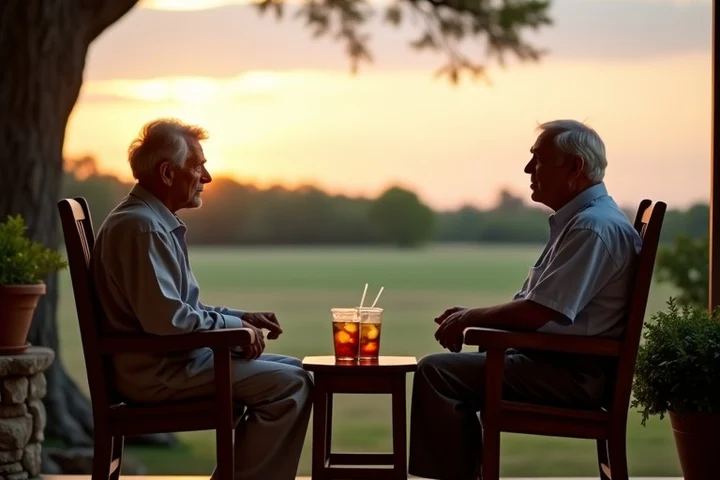
A long pause changes more than familiarity with flirting. Years of making decisions alone often sharpen preferences about quiet, shared time, privacy, and companionship. Someone returning to dating may want closeness without daily contact, commitment without immediately combining households, or a relationship that exists alongside established friendships and hobbies. Those preferences do not signal damage or selfishness; they describe the life that person has built.
Feeling out of practice follows the same cause: dating skills have had fewer chances to be used. Conversation becomes easier through contact, and comfort with attraction develops through noticing what feels welcome and what does not. The goal is not to recreate an earlier partnership. It is to learn how current needs for companionship, commitment, and personal space work together.
When apps, flirting, or small talk feel unfamiliar
Apps, flirting, and small talk can feel unfamiliar when their timing has changed since the last relationship. In app-based dating, treat a message as an introduction, not a promise; a clear invitation to meet creates no obligation. Warmth, curiosity, and a direct question usually carry a conversation further than trying to sound polished. One short, respectful rejection is enough, and the recipient owes no debate or detailed defense. Those boundaries make practice less personal, keeping any single exchange from bearing the weight of a final judgment.
Low-pressure ways to regain social momentum
Low-pressure practice works because it separates social contact from the emotional stakes of a major date. A brief coffee meeting gives two people a defined amount of time to talk. A short video call can establish whether conversation feels natural before either person travels or rearranges a day. A social event offers a chance to have one new conversation without presenting it as a search for a partner.
One conversation at a time also keeps the return to dating connected to daily life. The purpose is not to produce an immediate relationship; it is to restore comfort with introductions, shared attention, invitations, and endings. Small contacts provide room for curiosity while personal routines continue.
Rustiness is different from incompatibility
Early-date awkwardness often comes from unfamiliar timing: one person talks too much, both people search for topics, or the conversation takes time to warm up. That discomfort does not by itself show that the connection is wrong. Incompatibility concerns what the two people want and how they treat each other. A sharp mismatch in relationship expectations, a lack of attraction that feels clear, disrespect for boundaries, or little effort to participate in the conversation points to a deeper problem. One quiet or clumsy date deserves context before it receives a final meaning, while a direct conflict over values or expectations deserves attention immediately. Separating social rustiness from incompatibility prevents one imperfect interaction from cancelling a connection that otherwise feels respectful and promising.
Build a dating rhythm you can sustain
- One date or one new dating conversation each week provides a clear starting point without turning every evening into dating time.
- Existing friendships, hobbies, rest, family commitments, and personal routines remain protected parts of the week.
- Messaging receives a defined window, which keeps an app conversation from spreading across work, sleep, or time spent with friends.
- A week with no date still belongs in the rhythm; travel, family needs, or a desire for personal time do not cancel the return to dating.
A few common questions
How do I tell a date that I have been single for years?
Keep the explanation brief and honest. There is no need to recount every detail of the past. Sharing that they have lived independently for a long period, along with what they want from dating now, gives the other person relevant context.
What if I enjoy living alone more than I expected?
Enjoying independence is a preference, not a barrier to dating. A relationship can include affection and commitment while preserving separate routines, friendships, interests, and personal time. That expectation belongs in the dating conversation when closeness begins to develop.
How soon should someone go on a second date after an awkward first date?
There is no universal waiting period. A second meeting makes sense when the awkwardness seemed connected to unfamiliarity and the interaction still included respect, curiosity, and some attraction. A clear conflict over values, boundaries, or relationship expectations does not need another meeting to explain itself.
Being single for years does not erase the ability to form a relationship; it changes the conditions that relationship must respect. Dating again after 50 becomes more comfortable when new social skills grow alongside independence, personal routines, and a clear understanding of what companionship means now.