
Published by Texas Dating After 50
Caregiving responsibilities change dating capacity, not personal worth
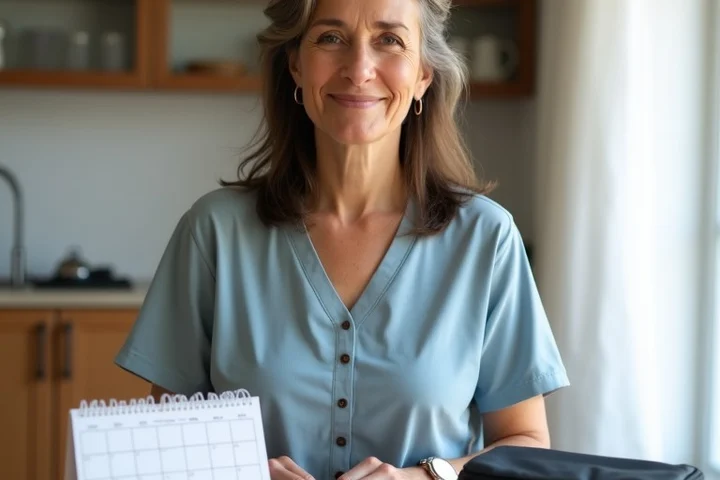
Caregiving often brings a calendar shaped by another person's needs: appointments, calls, errands, and days when plans change without warning. Your dating availability may consist of a few dependable windows, shorter outings, or conversations that happen after the household settles. That is a description of your life, not a verdict on your desirability.
On a dating app or site, a profile does not need a full family history. A brief note that you help care for an aging parent signals that your time has limits. Early conversations can cover the broad shape of your week and the fact that plans occasionally change. Dating without caregiver guilt starts with recognizing that personal connection is part of a life that also includes family duty.
Signs that overload is limiting a new connection
Overload often appears in the body and calendar before it comes up in a conversation with a date. Repeated exhaustion, resentment when a message arrives, chronic cancellation, trouble enjoying an outing, or no recovery time after caregiving all point to a schedule asking too much. If you are checking your phone with dread, agreeing to plans you already expect to cancel, or using every unscheduled hour to catch up, dating frequency deserves a temporary adjustment. That adjustment might mean fewer app conversations, shorter dates, or a pause while you restore personal time. The connection may still be sound; the current arrangement is draining more than it gives.
When a parent's needs disrupt plans
When a parent's needs disrupt plans, the cancellation itself is not the whole story. Timing and follow-through matter. Contacting the other person as soon as you know the plan will not happen, explaining that your parent needs your attention, acknowledging the effect on them, and suggesting another day only after checking your calendar creates a clear process. A short explanation is enough; a genuine emergency does not require a detailed account of the parent's condition or family situation.
Canceling once because of an emergency differs from falling into a recurring pattern. Prompt notice and a clear attempt to reschedule tell the other person that the plan mattered, even when it could not survive the day’s events. Repeated last-minute changes, vague promises to reconnect, or a string of plans canceled without another date on the calendar create a different experience: the other person is asked to remain available without knowing whether the relationship has a place in your week.
At that point, caregiving does not need defending. The schedule needs an honest review. Fewer dates, shorter outings, or a pause on new matches may protect both people from promises that keep breaking. The other person then gets a fair chance to decide whether occasional dating suits them, while you get a chance to date without turning every disrupted plan into a confession of failure.
Availability, privacy, and backup support
Privacy does not require secrecy. A date needs the broad facts that shape the relationship: an aging parent relies on you, your usual dating windows, how much notice a change may require, and how you handle a cancelled plan. They do not need the parent's diagnosis, medication list, financial information, or family disagreements. Keep identifying details off a dating profile on an app or site; disclose more as trust develops and only when the information is yours to share.
Backup support protects more than one evening. One option is a sibling, relative, or friend who already understands the family routine and can cover an occasional dating window; clarify what that person can and cannot take on. If no backup exists, shape dates around shorter plans, nearby locations, or a longer lead time, and do not promise a time before checking what the week holds. A trusted friend who knows you as a whole person can also help you notice when guilt is making every personal plan feel selfish.
You can care deeply for a parent and still protect time for companionship. Dating is not a dismissal of family responsibility. It is a separate part of adult life that requires honest scheduling and respect for the people involved.
A few details worth clarifying
What should I put in a dating profile over 50 if I care for an aging parent?
A brief, truthful note about caregiving responsibilities and limited dating windows is enough. Describe the parts of life you enjoy as well; the profile should not become a case summary. Do not include the parent's name, health details, address, or daily routine.
Can I date without a predictable weekly schedule?
Yes, but the planning horizon may need to be shorter. Offer actual windows when you know them, keep early dates simple to rearrange, and avoid maintaining more conversations than your time can support. If nearly every week is consumed by emergencies and recovery, pausing new matches is a reasonable choice.
When should a new partner meet my aging parent?
There is no universal timetable. An introduction belongs after you and the new partner have established trust and after you have considered the parent's privacy and comfort. Dating does not require making a new partner part of caregiving immediately.
Dating while caring for an aging parent begins with an honest calendar, clear privacy choices, and support for the occasional personal outing. Your parent's needs deserve attention, but they do not erase your need for companionship. Protect some time for yourself, communicate when plans change, and let new connections respond to the life you actually live.