Published by Texas Dating After 50
Profile clues that deserve a closer look
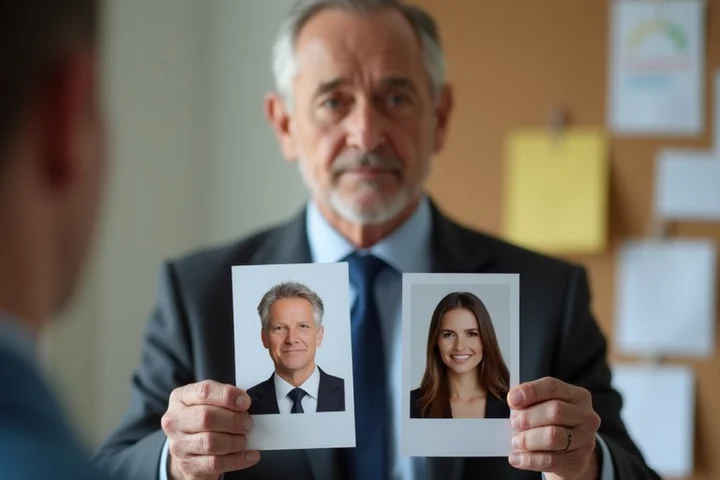
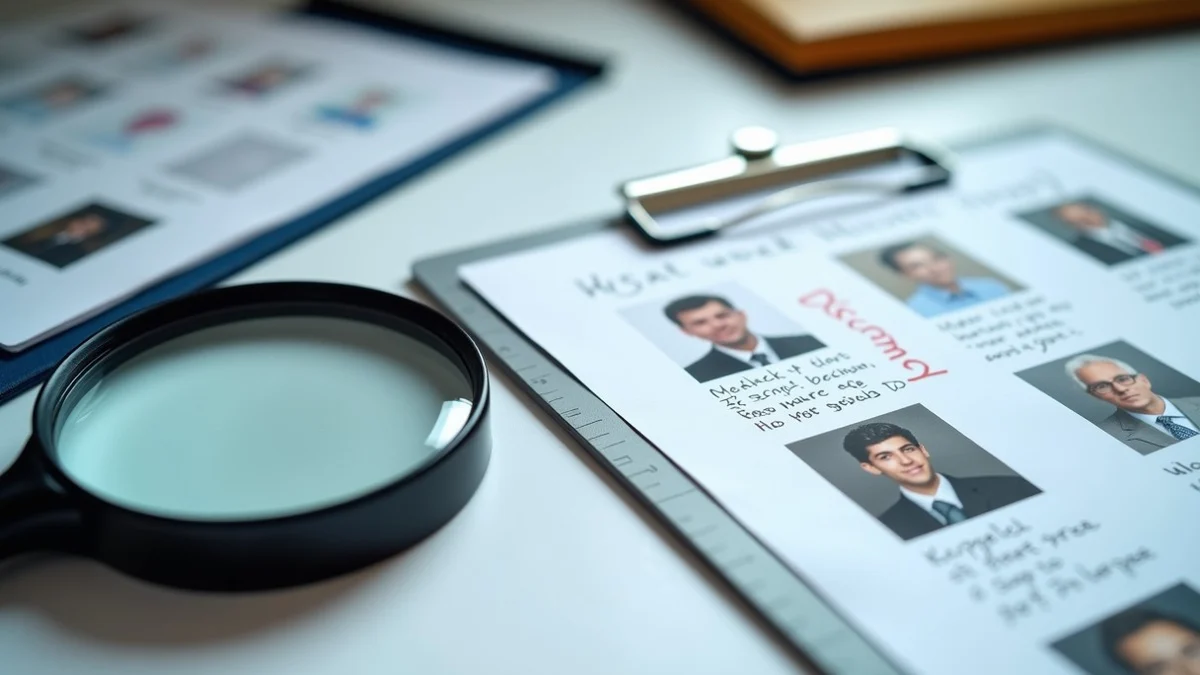
- Photos deserve a closer look when the gallery relies on one exceptionally polished headshot, images that look pulled from professional or public sources, or pictures that seem to show different people, ages, or settings without a clear explanation. Stolen images are a serious clue, but polished photography alone does not establish impersonation; compare the images with the account’s other details.
- A thin biography made of one or two generic lines gives little to compare against later messages. Wording that appears copied across profiles, abrupt changes in writing style, or details that sound assembled without a clear life story also deserve attention.
- Contradictory facts include different ages, relationship histories, jobs, family details, or retirement claims in different parts of the account. One may be an error, but several changes across the biography and messages weaken the account’s credibility.
- Unusual language shifts include sudden changes from casual wording to formal or machine-translated prose, unexplained changes in vocabulary, or messages that do not resemble the profile’s writing. Language differences have innocent explanations, so this clue gains weight when other facts also change.
- Location claims deserve checking when the stated home, work, family routine, and daily activities do not align. Frequent travel or a recent move can explain one difference; repeated changes about where the person lives or spends time create a more serious pattern.
One inconsistency is weak evidence, but several connected inconsistencies form a pattern
An outdated job title, a typo, a recently changed location, or a profile detail left unfinished has a possible explanation. Treating any one point as proof creates false positives and can distract from stronger signs. Check whether the discrepancy has a consistent explanation across later messages and the account’s timeline.
Several connected inconsistencies carry more weight because they affect different parts of the same identity. A profile may claim one home base, a recent retirement, and a particular family routine; messages then place work, travel, and daily obligations somewhere else, with each detail changing when discussed. The problem is not one unusual fact. It is the repeated failure of the account’s story to remain coherent when basic details meet.
Compare the sequence of events: where the person says they lived, when jobs or relationships changed, and whether the stated routine matches the times they message. Travel, relocation, privacy, and stale profile text explain some differences. A short record of the claim, the later version, and the date helps separate a normal update from a pattern of improvisation.
Curated polish is different from an identity that cannot withstand ordinary questions
A highly edited profile can still belong to a genuine person: polished photos, carefully written prose, consistent dates, and clear answers do not become suspicious merely because they look polished. The dividing line is repeated behavior. Evasive replies, changing facts, refusal to address simple discrepancies, or conduct that conflicts with the stated life story make the account harder to trust. Pause communication when this pattern appears. Save the username, profile details, and discrepancies, then block or report if the evasions continue. A polished presentation is a style; an identity that cannot withstand consistent questions is a risk signal.
When photos appear elsewhere under another name
Reverse-image search sometimes connects a profile photo with another person’s name, a public account, a stock-photo listing, or repeated use across unrelated profiles. That result deserves a pause, but it does not identify the person behind the dating account by itself. Searches miss images that are private, unindexed, cropped, edited, or newly uploaded, and a genuine person may appear in an old public image under a different context. Combine any result with biography, location, chronology, and behavior evidence. Do not treat no result as clearance or one result as complete proof.
Does the account provide enough coherent evidence to continue contact?
- Evidence Pattern: One isolated discrepancy, such as an old job title or recently changed location, while the photos, biography, messages, and chronology stay consistent. Recommended Response: Note the detail and seek a clear explanation through the dating platform before treating the account as fake. Threshold Reason: A single stale or incorrect detail does not establish impersonation.
- Evidence Pattern: Several connected discrepancies, shifting answers, or evasive replies across the biography, location, chronology, and claimed daily life. Recommended Response: Pause communication and record the username, profile details, conflicting claims, and dates. Do not keep trying to reconcile each new version. Threshold Reason: The pattern shows that the account’s identity story is not holding together.
- Evidence Pattern: A photo appears under another person’s name and the account also has matching biography or behavior conflicts, or the person acknowledges false details. Recommended Response: Block the account and report it to the platform, attaching the documented discrepancies when the reporting form allows. Threshold Reason: Corroborated impersonation evidence supports ending contact and alerting the service.
- Evidence Pattern: A verification badge is present while the profile still contains contradictions. Recommended Response: Read the platform’s current explanation of that badge and treat it as one limited data point. Unresolved contradictions remain a reason to pause. Threshold Reason: A badge does not prove every photo, biography detail, location claim, relationship status, or message is truthful.
Fake-profile detection depends on coherence across the account, not attractiveness, polished writing, or one error. Compare details over time, keep a record of discrepancies, and stop contact when repeated evasions or supported identity conflicts leave too little evidence to continue.