Published by Texas Dating After 50
When a first new relationship brings both joy and grief
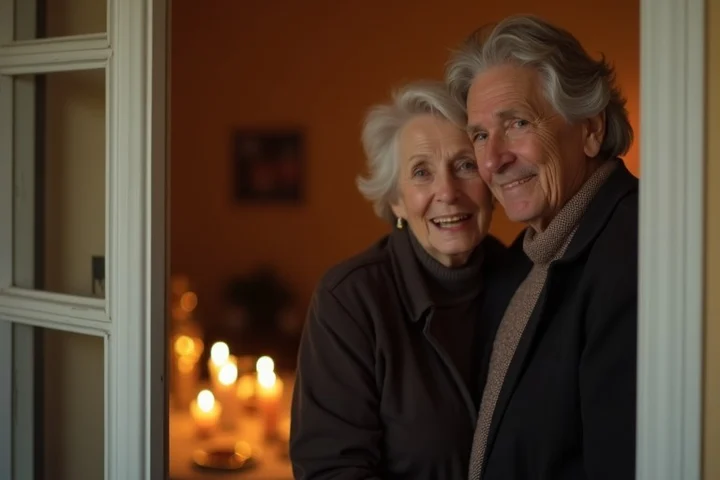
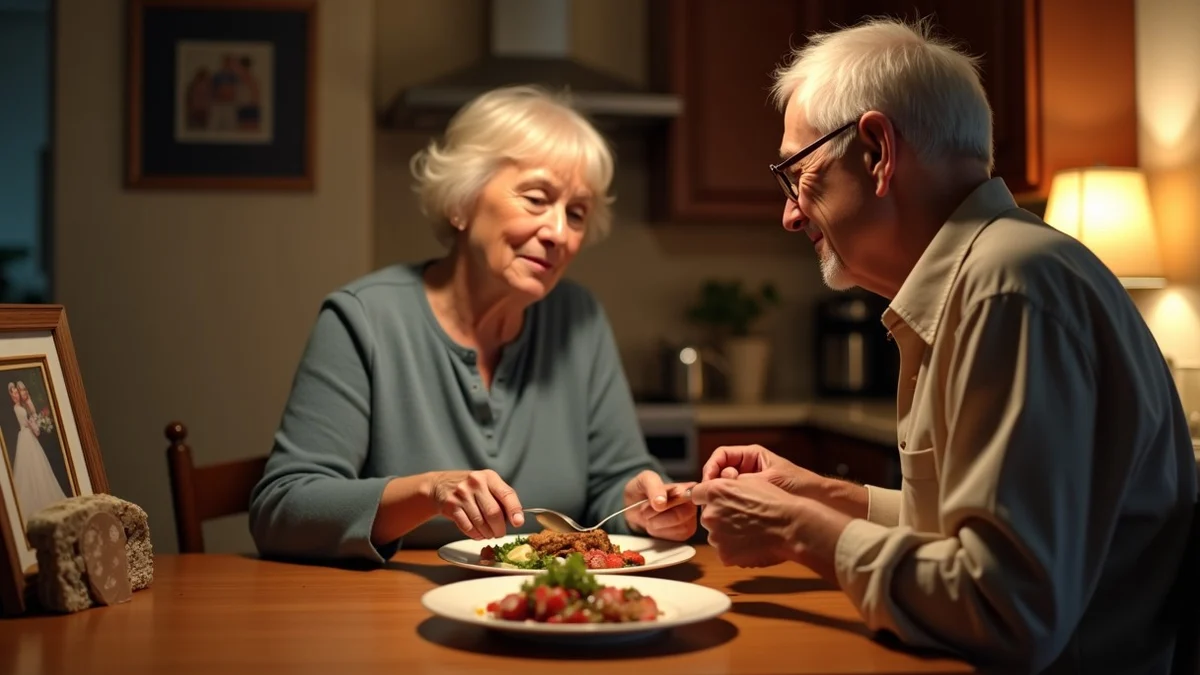
A first dinner, shared laugh, or new romantic milestone may bring genuine happiness followed by an unexpected wave of sadness. Familiar routines, a favorite restaurant, music, or the approach of an anniversary can connect the present to the marriage that ended through loss. Guilt sometimes appears too, as though enjoying a new relationship disrespects the person who died. These reactions do not cancel the affection developing now. Grief can surface during tender moments precisely because the moment matters. A new partner who understands that joy and sorrow may arrive together will have a clearer view of what the relationship is carrying.
Expectations for a new partner
A new partner can offer kindness, listening, patience, and respect for difficult dates or sudden changes in mood. That person cannot replace the late spouse, erase grief, or become the sole place where mourning is processed. Early conversations should cover the situations that stir strong feelings, the kind of response that feels supportive, and the moments when quiet or private time is preferable. Sharing those details gives the partner context when a date is postponed, a memory interrupts an evening, or sadness follows an otherwise happy event. The bereaved partner also owes the new person emotional honesty: affection for the late spouse remains part of the history, while the current relationship needs attention as its own connection. Insecurity often grows when the new partner has to guess whether memories signal rejection, so reassurance should address the present relationship directly.
A new bond can coexist with an enduring past
Honoring a late spouse does not require freezing life in its previous form. Photographs, stories, family traditions, meaningful belongings, and anniversary rituals may remain important, with the level of involvement decided openly between the partners. A new partner may join some remembrances, respect others as private, and ask questions without taking charge of the grieving process. That arrangement gives the past a truthful place without asking the new person to perform the role of a replacement.
The current relationship also needs experiences that belong to the two people in it: new routines, shared interests, private humor, and decisions made together. Those experiences should not be measured against the marriage that came before. They have a different history and a different emotional shape. Family traditions may continue, while new traditions develop alongside them. The relationship becomes clearer when both partners know which memories are being honored, which rituals are shared, and where the couple is creating something that has never existed before.
Signs comparison is controlling the relationship
Comparison starts to control a relationship when the late spouse becomes the constant measure for affection, habits, appearance, conversation, or household decisions. Repeated remarks about how the former marriage handled everything can make a new partner feel as though every choice is being judged against an idealized past. Idealization also narrows the space for honest mourning: the person who died becomes flawless in every retelling, while the new partner is left defending ordinary imperfections. On the other side, defensiveness signals trouble when any mention of the late spouse is treated as proof that the new relationship has no importance. A new partner’s insecurity deserves attention when questions about memories, anniversaries, or family traditions repeatedly turn into accusations or withdrawal.
Instead of focusing only on one comparison, ask what it means to each person. The bereaved partner needs to identify which memories or situations trigger the reaction, and the new partner needs to explain what feels threatening or lonely. Together, discuss the specific behavior, the emotion beneath it, the response that offers reassurance, and the limits that protect both people from disrespect. That discussion can separate remembrance from rivalry. The late spouse remains part of the story, while the new partner needs recognition as a person with a place of their own. When both people can speak about grief without erasing the present relationship, the couple has a stronger basis for trust and shared decisions.
A first relationship after losing a spouse carries history into every new beginning. Grief, remembrance, and fresh attachment do not need to compete, but they do need clear conversation. The late spouse can remain honored while the new partnership develops its own memories, rituals, affection, and meaning.