Published by Texas Dating After 50
Austin’s Youthful Reputation Can Hide an Age-Diverse Dating Population
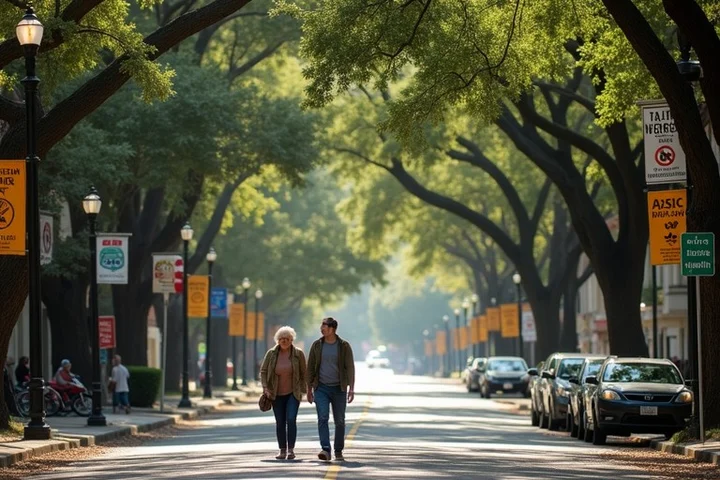
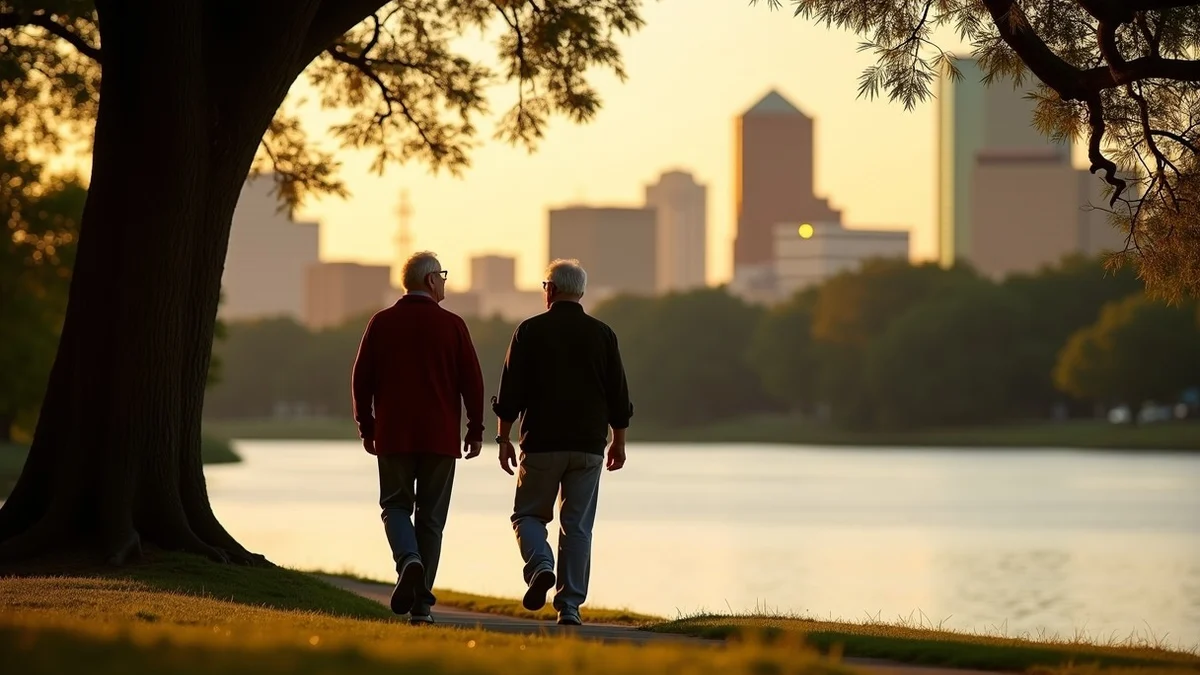
Austin’s public image often centers on younger culture, live music, and rapid change. That image does not describe every adult over 50 in the city or the surrounding service area. Some singles have long-standing friendships and routines in Austin; others moved there later, retired there, or continue full-time work while dating. Divorced, widowed, and long-term single adults also enter the scene with different histories and expectations.
Age compatibility answers only one part of the question. Sharing a generation with a potential match still leaves room for different social hours, travel patterns, or levels of local involvement. Austin’s mix of established residents and newcomers makes a first conversation about where each person lives, how the week is structured, and what kind of social life each is building more informative than the city’s youthful label.
Music, Arts, Learning, and Outdoor Communities Create Repeated Contact
Recurring settings give Austin singles over 50 more context than a one-time introduction. Music groups, gallery or museum programs, arts workshops, public lectures, book discussions, and classes connect people through an activity with a natural subject for conversation. The Austin Public Library’s events listing and Austin Community College are starting points for public events and learning-related opportunities. Austin Parks and Recreation provides another route into parks, recreation facilities, and related programming. Walking groups and other moderate outdoor activities add recurring contact when the timing and activity demands match. Familiarity over several visits helps reveal conversational style and interest in returning.
When One Person Lives Centrally and the Other Lives Farther Out
Central Austin and farther-out locations create different dating logistics. Living near the core can mean regular access to arts, music, learning, and dining areas, while living in an outer neighborhood or nearby community may put social life closer to home. The distance affects more than the map: traffic, parking, weather, workday timing, and the return trip shape whether two people see a short meeting as easy to repeat. An early meeting at a midpoint may solve one trip, but only shared driving over time shows whether both people will share the driving in the future.
Frequency also needs a shared expectation. Two people who live on opposite sides of the Austin area may prefer weekly meetings, alternate locations, or longer visits that justify the drive. Full-time employment, caregiving, and retirement produce different weekday patterns; a retired person may have more daytime flexibility, while a worker’s schedule may favor evenings or weekends. A match is geographically promising only when travel time and meeting rhythm work for both people.
Social Roots Reveal Whether a Match Is Settled or Still Exploring
Social roots show how a person is situated in Austin. Regular participation in a club, class, faith community, volunteer setting, or neighborhood activity often signals an established routine and local friendships. A recent arrival may still be rebuilding those networks or deciding whether Austin is a long-term home. Neither position automatically predicts relationship quality; it changes the discussion about relocation, family nearby, and the role a partner should play in daily life.
Online services add reach but not local context. OurTime and SilverSingles present themselves as services for singles over 50; profiles still need to clarify whether someone lives in Austin, travels between communities, or has recently moved. Social roots, location, and future plans belong in the same compatibility discussion.
Lifestyle Fit Beyond Shared Interests
- Compatibility Area: Social pace Alignment Indicators: Similar preferences for quiet time, small gatherings, or a fuller social calendar Friction Points: Different weekly energy can leave one person wanting more contact than the other
- Compatibility Area: Music and live events Alignment Indicators: Comparable interest in concerts, performances, and the frequency of evening outings Friction Points: Different tolerance for late nights, crowds, or event spending can shape shared plans
- Compatibility Area: Outdoor life Alignment Indicators: A shared view of walking, parks, and moderate outdoor activities Friction Points: Different activity levels or weather preferences can limit time outdoors together
- Compatibility Area: Work and retirement Alignment Indicators: Compatible weekday schedules and compatible plans for retirement or continued work Friction Points: A full-time worker and a retired person may want different timing and amounts of togetherness
- Compatibility Area: Planning style Alignment Indicators: Similar preferences for dates arranged in advance or chosen spontaneously Friction Points: Short-notice plans can conflict with caregiving, family commitments, or established routines
Austin offers more than a youthful dating image. Adults over 50 meet through recurring music, arts, learning, and outdoor communities, while age-focused services widen the search. The lasting question is whether two lives can share Austin’s geography, schedules, social commitments, and plans for the years ahead. Those details deserve attention alongside shared interests.
Sources for this guide
- Austin Community College — Austin Community College
- Events — Austin Public Library
- Parks and Recreation — City of Austin
- Senior Activity Centers — City of Austin
- City of Austin — City of Austin
- OurTime — OurTime