
Published by Texas Dating After 50
Divorce can change identity, trust, and expectations
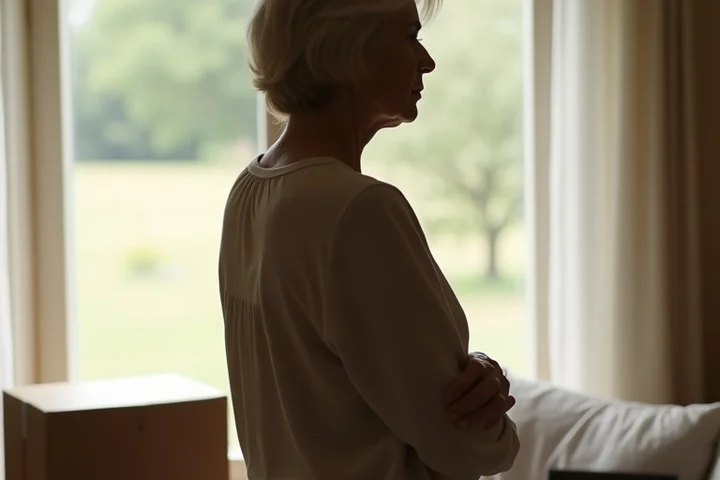
Divorce can unsettle the daily structure that once felt automatic. After years of shared decisions, routines such as meals, weekends, travel, and holidays may no longer carry the same meaning. Self-concept can shift too: roles such as spouse, caregiver, or family organizer may have shaped how a person saw their value, voice, and future. Rebuilding an independent sense of preference does not require rejecting the years before it; it requires noticing what now feels chosen.
Trust can change in both directions. A person may become guarded after broken promises, or may expect quick reassurance because uncertainty feels uncomfortable. Expectations about partnership can also come from the former marriage, including assumptions about communication, household roles, conflict, or how much personal independence a couple should have. These reactions are clues about what deserves attention, not predictions about every future relationship. The next partnership can be guided by present-day values and observed behavior.
What does emotional readiness look like after divorce?
| Readiness Signal | What It Indicates | What To Examine Next |
|---|---|---|
| The divorce can be discussed without making a date a therapist | The history can be acknowledged while attention also stays on the person and connection in front of you. | Sharing should become mutual, with interest in the other person's life and experience. |
| Uncertainty can be tolerated | A new connection does not have to provide immediate answers about commitment, compatibility, or the future. | Interest can develop without demanding constant reassurance from the other person. |
| Personal patterns can be recognized | Past habits involving conflict, withdrawal, people-pleasing, or suspicion can be named and examined. | Responsibility for future behavior is not assigned entirely to the former spouse or the new partner. |
| Connection is wanted for present-day reasons | The new person is approached as an individual, not as a replacement for a former spouse or an escape from loneliness. | The relationship can be valued for what is happening now, even while the past remains part of the story. |
When an ex, adult children, or shared obligations still affect your calendar
An ex may remain part of life through adult children, shared celebrations, mutual friends, or other responsibilities. That contact does not by itself define a new relationship; unclear boundaries, secrecy, or ongoing emotional dependence can create strain. A new partner can reasonably expect an honest explanation of why contact continues, how often it affects plans, and which decisions still involve the former spouse.
A post-divorce calendar may also include adult children's milestones, caregiving for aging parents, work obligations, and events where family reactions are visible. Adult children may feel protective, surprised, or uncomfortable. Their feelings can be acknowledged without giving them control over every adult dating decision. A new partner can expect clear scheduling, advance notice when commitments affect plans, and an explanation when family introductions are not yet appropriate.
Boundaries for a first post-divorce relationship
Boundaries organize what belongs in a new relationship. Early disclosure can cover the divorce, the broad reason it ended when relevant, ongoing contact with an ex, adult children, caregiving responsibilities, and the kind of relationship being sought. Detailed personal history can unfold as trust grows, so a first date does not have to carry the full emotional record of the marriage.
Comparisons with a former spouse deserve a clear limit. Current needs can be discussed without ranking a new partner against someone from the past. Personal routines, friendships, and private time also remain important while the relationship develops. Family introductions can wait until both people understand their meaning, and an ex should not retain influence over ordinary choices in the new relationship. These boundaries protect the new bond from becoming an extension of the old one.
Dating after divorce over 50 calls for honesty about what changed, patience with uncertainty, and a clear line between past obligations and present connection. A new partner is not a replacement for a former spouse or a repair project; the relationship can develop around two people and the lives they bring with them.